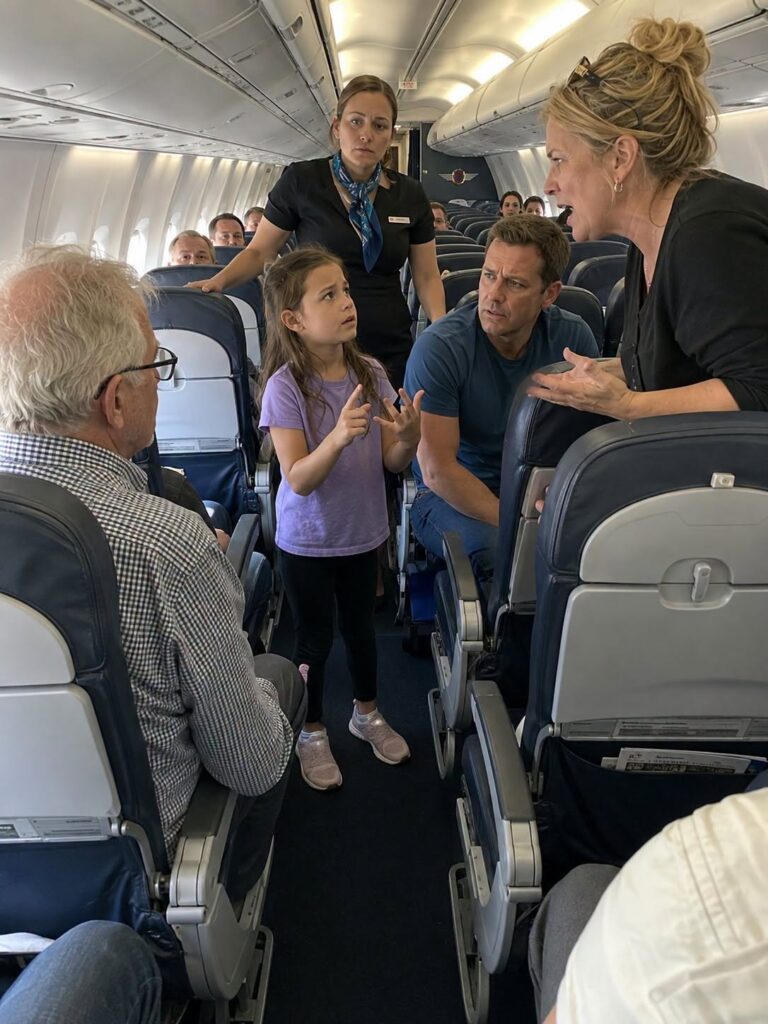
My father, Gerald, had watched my two kids for free for six years, ever since my daughter Nina was born, showing up eagerly whenever my husband and I needed a night out or an emergency pickup from school. Then, out of nowhere, he told me it would be twenty-five dollars a visit going forward.
I laughed at first, assuming he was joking. He wasn’t.
“I need you to just trust me on this for a while,” he said, offering nothing else.
I want to be honest that this felt like a genuine betrayal at first — not because grandparents owe free childcare, but because the sudden shift, with no explanation, after years of him practically fighting me for time with his grandkids, felt completely out of character for a man who’d never once mentioned money in relation to seeing Nina and her brother Theo.
I paid it anyway, mostly because I needed the help and didn’t want to strain things further by pushing. Every visit, twenty-five dollars, cash only, regardless of whether he had them for two hours or an entire weekend. My husband suggested he might be having financial trouble, but Gerald’s modest pension and paid-off house made that explanation hard to believe.
The breaking point came after a weekend trip, when I was short on cash and offered to transfer the money digitally instead. He refused, insisting he needed actual bills that night. I gave him what I had, frustrated enough that I stopped asking him to watch the kids for nearly a month afterward.
He noticed, and eventually called, asking why we’d stopped coming by.
“Because I don’t understand why you need cash from me every single time, and you won’t explain it,” I told him.
“Come by tomorrow. Alone. I’ll show you.”
I arrived the next day braced for something serious — debt, a scam, a health scare he was hiding. What he actually showed me was a small tin box on his kitchen table, filled with envelopes, each labeled with a date and a name: NINA & THEO.
“I’ve been matching every payment you’ve given me,” he explained. “Dollar for dollar, out of my own pocket.”
He handed me a brochure from a local children’s burn unit, and the story came out slowly. Years earlier, during one of Nina’s routine hospital visits for a minor issue, Gerald had struck up a conversation in the waiting room with a grandmother caring for a young burn survivor whose family was quietly drowning in costs insurance didn’t cover — travel, lodging, basic supplies during an extended recovery. That boy had passed away the following year, and Gerald had stayed in touch with the family ever since, contributing what he could.
“I wanted it to be something bigger than just me writing a check I’d forget about,” he said. “I wanted it tied to actually spending time with your kids, something that would keep going instead of a one-time donation I’d feel good about for a week and move on from.”
“Why not just tell me and ask if I wanted to contribute?”
“Because you’d have said yes once, felt good, and that would’ve been the end of it. I wanted it to keep happening.”
I want to be honest that I understood his reasoning even while telling him plainly that the secrecy had cost more than it needed to — weeks of genuine hurt and a month where he didn’t see his grandchildren at all, entirely avoidable if he’d simply explained himself from the start.
“You’re right,” he admitted. “I made this harder than it needed to be.”
We kept the arrangement going after that, minus the secrecy. My kids now know Grandpa has a “helping box,” and Nina, eight now, occasionally adds her own spare change to it, understanding only that it goes toward “kids who need help at the hospital,” a simplified version of the truth that satisfies her curiosity for now.
The fund has grown considerably since that conversation, now covering a meaningful portion of travel costs for two other families going through similar hospital stays each year. I still don’t love that it took a month of confused hurt feelings to get the actual explanation, but I’ve come to appreciate what my father was actually trying to build, even if his execution left something to be desired.
“You could have just asked for donations,” I told him recently, only half-joking.
“You’d have forgotten by the second month,” he said. “This way, it just keeps happening, twenty-five dollars at a time.”
He wasn’t wrong. It’s still happening.